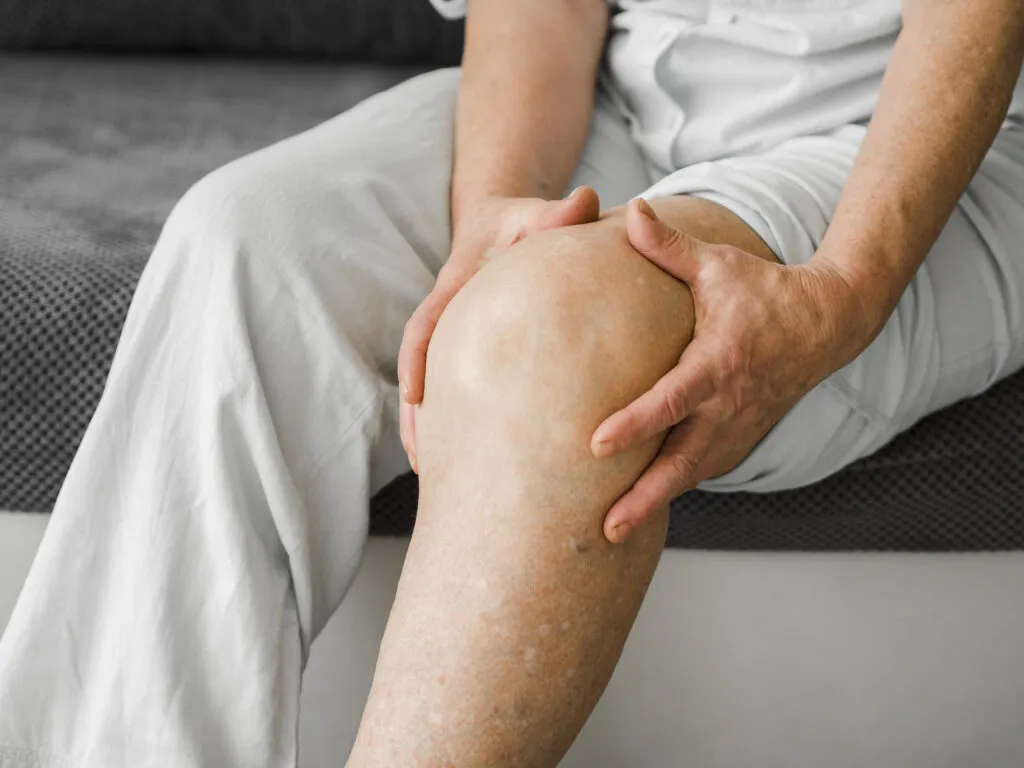
Varicose veins are a common vascular condition that affects many people worldwide and goes beyond a simple aesthetic concern. Characterized by dilated and twisted veins, they can cause symptoms such as heaviness, discomfort, and even lead to more serious complications, ultimately impacting quality of life.
In this context, electrostimulation has emerged as an innovative alternative to traditional treatments. By using electrical impulses to stimulate muscles and improve circulation, it offers a promising way to relieve symptoms and support vein health. In this article, we’ll explore the causes of varicose veins and how electrostimulation can help manage them effectively.
What are varicose veins and why are they a health problem?
Varicose veins are enlarged and twisted veins that typically appear in the legs due to poor blood flow caused by malfunctioning valves, leading to blood buildup and visible swelling. Their development can be influenced by factors such as genetics, hormonal changes, pregnancy, obesity, and prolonged periods of standing or sitting.
What factors affect the appearance of varicose veins?
Genetics: Genetic predisposition plays a crucial role in the appearance of varicose. If there is a family history of this condition, a person is more likely to develop it.
Hormonal Changes: Hormonal changes, especially during pregnancy and menopause, can contribute to the weakening of venous walls.
Sedentary Lifestyle: Prolonged standing or sitting can hinder the efficient return of blood to the heart, thus contributing to the development of varicose.
Obesity: Excess weight puts additional pressure on the veins in the legs, increasing the risk of developing varicose.
Main symptoms of the appearance of varicose veins
Varicose veins can manifest with a variety of symptoms, the most common being:
Pain or feeling of heaviness: People with varicose often experience pain in their legs, accompanied by a feeling of heaviness.
Itching or burning: The skin around varicose may become irritable, causing itching or burning.
Nocturnal cramps: Leg cramps, especially at night, are another common manifestation.
Skin changes: Advanced varicose can lead to changes in skin color, venous ulcers and other skin problems.
Complications associated with varicose can be more serious, including the formation of blood clots, venous ulcers, and even bleeding in extreme cases. In addition to the physical impact, varicose can affect the self-esteem and quality of life of those who suffer from them. Thoroughly understanding these implications is crucial to addressing varicose veins comprehensively and seeking effective solutions, such as electrostimulation, which we will explore later in this blog.
What type of varicose veins exist?
There are manytypes of varicose veinsclassified according to their size, location and characteristics. Here we describe some of the most common types of varicose veins:
Truncular or Saphenian varicose veins:
They are the largest varicose veins and affect the main veins called saphenous. They may be visible on the surface of the skin and are often associated with smaller varicose .
Reticular veins:
They are smaller veins that are found below the surface of the skin, with a diameter larger than telangiectatic veins but smaller than truncal varicose. They often appear as thin, bluish lines.
Telangiectasias or Spider Veins:
Also known as spider veins, they are small, dilated veins that appear near the surface of the skin. They have a spiderweb-like appearance or a branching of red or blue lines.
Perforating or Communicating Varicose Veins:
They connect the superficial veins with the deep veins. Insufficiency of these valves can cause blood to accumulate in the superficial veins, contributing to the formation of varicose.
Pelvic varicose veins:
They are found in the pelvic region and may be associated with problems with the pelvic veins. They are often associated with symptoms such as pelvic pain and may require a specific treatment approach.
Secondary or Postphlebitic Varicose Veins:
They develop as a result of a previous deep vein thrombosis (DVT). They can occur after venous obstruction and affect the deep veins.
Aesthetic Varicose Veins:
Although all varicose have an aesthetic component, the term “cosmetic varicose veins” is often used to refer to those that, although they do not cause significant discomfort, are treated for cosmetic reasons.
It is essential to keep in mind that the severity of varicose can vary, and their treatment can range from conservative measures, such as lifestyle changes and the use of compression stockings, to more invasive medical procedures, such as sclerotherapy, ablation laser and, in more advanced cases, surgery. The appropriate treatment will depend on the type and severity of the varicose veins, as well as the symptoms they present. It is recommended to consult a healthcare professional for a diagnosis and personalized treatment plan.
Electrostimulation to treat varicose veins
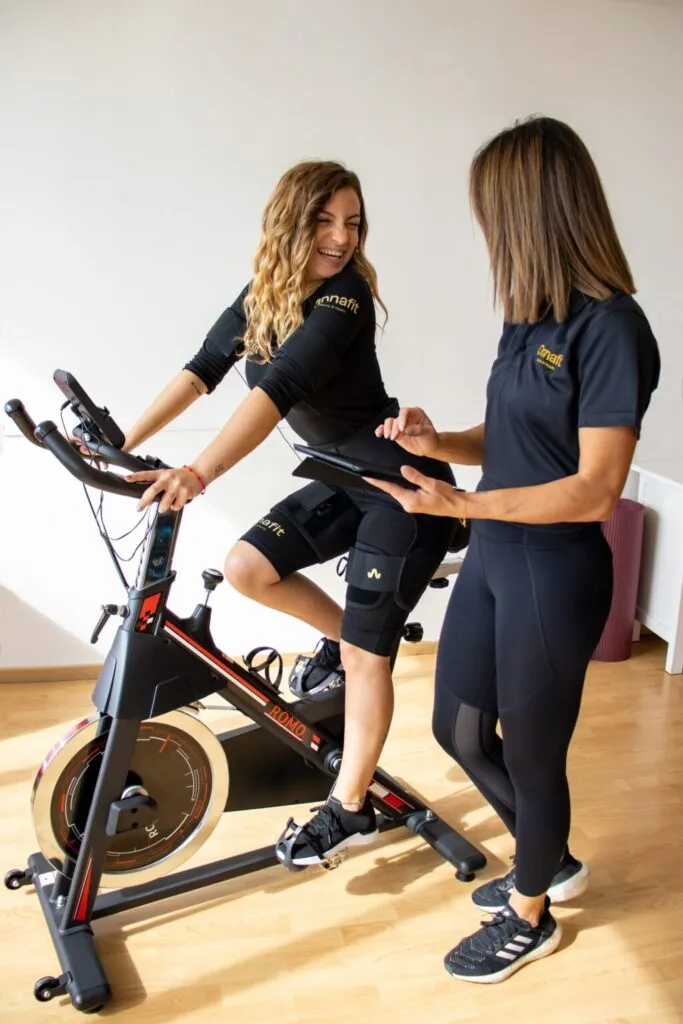
ElectrostimulationIt is a technique that uses low-intensity electrical currents to stimulate muscles and improve various physiological functions. In the context of the treatment of varicose, electrostimulation focuses on activating and strengthening the leg muscles, thus promoting better blood circulation and relieving the symptoms associated with the appearance of varicose veins.
“This electrical stimulation activates the muscles, leading to a significant improvement in blood flow”.
In an electrostimulation treatment session, the muscles experience electrical impulses that generate controlled and deep muscle contractions. This electrical stimulation activates the muscles, resulting in a significant improvement in blood flow. This process facilitates venous return and helps reduce pressure on the veins affected by varicose veins.
But electrostimulation is not only used to treat the visible symptoms of varicose, it also addresses the underlying cause by strengthening muscles, improving circulation and promoting a healthier venous system.
What benefits does electrostimulation provide?
The electrostimulation has countless advantages both physically and in terms of health in general, but, in this case, we are going to focus on the benefit of electrostimulation in relation to varicose veins:
Improved Circulation: Electrostimulation promotes blood circulation by stimulating muscle contraction and relaxation, which facilitates venous return and reduces vascular congestion.
Muscle Strengthening: By strengthening the leg muscles, electrostimulation contributes to a more efficient venous system, reducing pressure on the veins and preventing the formation of varicose veins.
Reducing Feelings of Heaviness: Improved blood circulation and muscle strengthening help relieve the feeling of heaviness in the legs, one of the common symptoms associated with varicose veins.
Prevention of Complications: By addressing the underlying cause of varicose veins, electrostimulation can help prevent more serious complications, such as the formation of blood clots and venous ulcers.
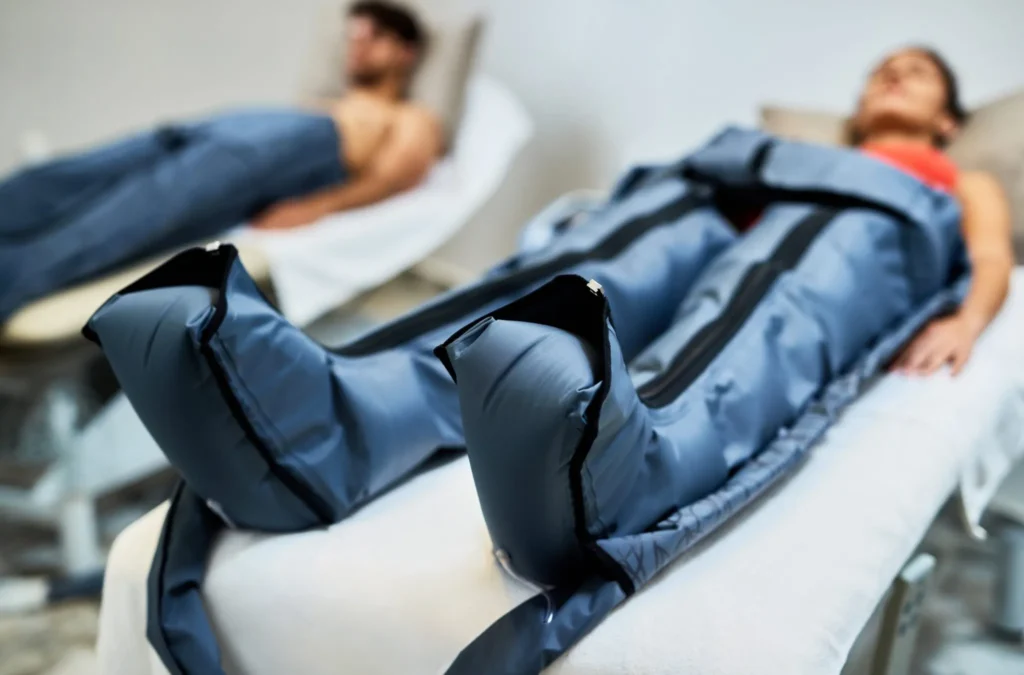
Complement to Other Treatments: Electrostimulation can be used in a complementary way to other medical treatments, such as pressotherapy, offering a comprehensive perspective for the management of varicose veins.
How does Onnafit Electrostimulation work on Varicose Veins?
Onnafit electrostimulation is used to treat varicose veins in an effective, painless and safe way.
This system is based on improving blood circulation and strengthening the leg muscles. Its mechanism of action directly addresses the causes and symptoms of varicose veins, offering a non-invasive and effective alternative. In this article, we will explore in detail how this technique operates, backed by scientific studies confirming its effectiveness.
Benefits of using Onnafit to treat varicose veins
Onnafit electrostimulation supports better leg circulation through controlled muscle activation.
Key benefits:
Activates leg muscles through electrical impulses
Promotes venous return and improves blood circulation
Reduces venous congestion and pressure on the veins
Helps prevent the formation of varicose veins
Strengthens vein walls, improving elasticity and resistance
Prevents blood pooling and supports more uniform circulation
Overall, it contributes to healthier, lighter-feeling legs.
A compact system that does not take up space in your beauty center
It is handsfree: The Onnafit EMS system is handsfree, that is, hands-free, which means that the technician can apply the treatment in a programmed manner, and without the need to constantly manipulate the client during the treatment.
Wherever you want: Thanks to the fact that it is compact and wireless, you can apply the treatment anywhere.
Transportable and Ergonomic: It does not take up space, so you can have it anywhere in your aesthetic clinic.
It has all safety certifications: From the FDA, ANVISA, INVIMA, CE, or the Spanish Medicines Agency, Onnafit complies with all product and safety laws according to the latest MDR law.
Conclusion
Electrostimulation is presented as a modern and effective method for treating varicose veins, as it improves blood circulation, strengthens leg muscles, and relieves associated discomfort; moreover, it not only addresses visible symptoms but also tackles the underlying cause by reinforcing the vascular system.
Frequently asked questions about electrostimulation of varicose veins
Can electrostimulation prevent varicose veins?
Electrostimulation may improve circulation and reduce the risk of developing varicose veins in people with a predisposition, but it cannot guarantee prevention.
Are there any side effects?
Electrostimulation is usually well-tolerated. However, some people may experience:
Skin irritation or redness
Mild discomfort from the electrical impulses If you experience severe discomfort, stop the treatment and consult a healthcare provider.
Ems foot massager for varicose veins
The EMS Foot Massager uses low-frequency electrical impulses to stimulate the muscles in the feet and legs, causing contractions similar to those that occur during physical movement. This stimulation helps activate venous circulation, facilitating blood flow back to the heart and reducing fluid buildup in the lower limbs. Additionally, this process helps alleviate muscle fatigue, swelling, and the heavy leg sensation commonly experienced by those with varicose veins.
Benefits of the EMS Foot Massager for Varicose Veins
Regular use of an EMS Foot Massager can provide multiple benefits for individuals suffering from varicose veins:
Improves blood circulation: By stimulating the muscles in the feet and legs, it promotes blood flow and prevents blood pooling in the veins.
Relieves pain and the sensation of heavy legs: Electrical stimulation helps relax the muscles and improve tissue oxygenation, providing relief to those experiencing pain or discomfort due to varicose veins.
Helps prevent new varicose veins: By improving circulation and reducing venous pressure, it can minimize the risk of developing new varicose veins over time.
Varicose veins medical devices
For managing varicose veins, the most common medical devices include compression stockings, which help improve circulation and reduce symptoms like swelling and discomfort. Other supportive tools include intermittent pneumatic compression (IPC) devices, often used to stimulate blood flow in people with chronic venous issues, and leg elevation wedges that assist in relieving pressure from the lower limbs.
When it comes to treatment, specialists may use minimally invasive devices such as Endovenous Laser Therapy (EVLT), Radiofrequency Ablation (RFA), Sclerotherapy, VenaSeal™, or Mechanochemical Ablation (MOCA). These procedures aim to close or remove faulty veins with minimal discomfort and quick recovery, and are chosen based on the severity and location of the varicose veins.
Which body region should be avoided during myofascial release techniques?
During myofascial release, certain body areas should be avoided or approached with caution due to the presence of vital structures or sensitivity. Here’s a quick guide:
Areas to Avoid:
Front of the neck (anterior cervical region)
Contains the carotid arteries, trachea, and other delicate structures.
Abdomen (especially deep pressure)
Risk of affecting internal organs if not done properly.
Armpit (axilla)
Contains lymph nodes, nerves, and blood vessels.
Groin area (inguinal region)
Sensitive structures, including major blood vessels and nerves.
Over bone protrusions or joints
Avoid direct deep pressure on bones like the spine, knees, or elbows.
Safer Areas for Myofascial Release:
Back (excluding spine)
Shoulders
Glutes
Quads, hamstrings, calves
Plantar fascia (bottom of feet)
Forearms
Always use gentle, sustained pressure, and when in doubt, consult a physical therapist or trained professional to ensure you’re applying the technique safely and effectively.
Does grounding help with varicose veins?
Grounding, or earthing, may slightly improve circulation and reduce inflammation, but it is not a proven treatment for varicose veins or their underlying cause (damaged vein valves). While it can help with general well-being or mild leg discomfort, it should only be used as a complementary practice alongside proven treatments like exercise, compression therapy, and professional care.
Can massage therapy help varicose veins?
Massage therapy can help alleviate some symptoms of varicose veins, such as heaviness, swelling or discomfort, by improving circulation and promoting lymphatic drainage. However, it does not eliminate the veins or address their root cause, which is related to weakened vein valves. Massage should be gentle and avoid direct pressure on visible veins to prevent irritation or complications. It’s best used as a complementary relief method, not a replacement for medical treatment.
Can you use a tens machine on varicose veins?
TENS (Transcutaneous Electrical Nerve Stimulation) devices are often used to reduce muscle discomfort and boost circulation through gentle electrical pulses, but they do not address the underlying cause of varicose veins, such as weakened vein valves. Although they may relieve sensations like heaviness in the legs, they should not be applied directly on affected or inflamed areas. Instead, they can be used on surrounding muscles, such as calves or thighs, to support blood flow. For safer and more effective outcomes, Onnafit suggests specific electrostimulation programs for vascular health, combined with pressotherapy to naturally and non-invasively improve lymphatic drainage and venous circulation.
How many types of varicose veins are there?
Varicose veins vary in appearance, location, and severity, and understanding their type is key to choosing the right treatment. They can range from small, superficial veins to larger, more prominent ones caused by poor valve function and blood reflux.
Here’s a simple breakdown:
By appearance:
Spider veins (telangiectasias) – fine, red or blue lines on the skin.
Reticular veins – slightly larger, bluish veins under the skin.
Varicose veins – thick, bulging veins often linked to the saphenous system.
By location:
Superficial veins – close to the skin.
Deep veins – located within the muscles.
Perforator veins – connect the superficial and deep systems.
By severity (CEAP classification):
C0: no visible signs.
C1–C2: spider or varicose veins.
C3–C6: swelling, skin changes, or venous ulcers.
Knowing which type you have allows for personalized treatment, from compression therapy to laser procedures or surgery, ensuring better results and long-term relief.
Massager for varicose veins in legs
When it comes to managing the discomfort of varicose veins, leg-massagers can play a valuable supporting role. These devices use gentle mechanical or electrical stimulation to promote improved circulation, reduce fluid retention and relieve the heavy, achy sensations that often accompany venous insufficiency. Ideally used in conjunction with other therapies and compression garments, a leg massager designed for varicose-vein support offers these benefits:
Enhanced venous return: By rhythmically compressing or stimulating the calves and lower legs, the massager helps move blood toward the heart, reducing pooling in superficial veins.
Reduced swelling & fluid build-up: The stimulation helps activate the muscular pump and lymphatic flow, which can ease the feeling of heaviness and decrease leg puffiness.
Relief of discomfort and fatigue: For many people, the massager alleviates sensations of tired legs and minor cramps between treatments.
Complementary approach: While a massager does not replace medical treatments like compression therapy, sclerotherapy or ablation for varicose veins, it serves as a non-invasive adjunct that supports longer-term vein health.
Usage tips:
Choose a device with settings appropriate for vascular use — moderate intensity, calf/ankle attachments and safe for frequent use.
Avoid applying strong direct pressure or vibration over visible, bulging veins or swollen skin areas: instead, target nearby muscles (for example: calves and thighs) so circulation is supported without aggravating fragile tissue.
Combine usage with elevation of the legs after use and daily compression stockings if prescribed.
Consistency matters: 10-20 minutes per day of use often delivers best supportive benefits.
By incorporating a leg massager into your regimen, you can enhance circulation, ease symptoms and reinforce the vascular support provided by the electro-stimulation and compression modalities offered by Onnafit.
Can vibration machines cause spider veins?
Current evidence does not indicate that vibration platforms cause spider veins; in fact, when used properly, they can improve circulation and venous return. Spider veins are mainly associated with factors such as genetics, hormones, sedentary lifestyle, or venous insufficiency—not vibration. However, improper use (very high intensities or prolonged sessions) could make existing veins more noticeable, so moderation is recommended. For people with venous insufficiency or significant varicose veins, it is advisable to consult a specialist beforehand and start with low intensities.
What is chronic venous insufficiency and how is it related to varicose veins?
Chronic venous insufficiency (CVI) occurs when leg veins cannot properly return blood to the heart due to weakened valves, causing blood to pool in the legs. This can lead to swelling, heaviness, pain, skin changes, and varicose veins, and in advanced cases, ulcers. Early care—such as movement, leg elevation, and compression—helps manage symptoms and prevent progression.
Does circulation booster help varicose veins?
Improving circulation can help relieve symptoms of varicose veins, but it doesn’t cure them on its own. Methods that enhance blood flow—such as exercise, compression stockings, elevating the legs, and regular movement throughout the day—may reduce swelling, heaviness, and discomfort. However, for visible or painful varicose veins, more targeted treatments (like medical procedures or consultation with a healthcare provider) are often needed for long-term improvement.
What are the main symptoms and early signs of chronic venous insufficiency, and when should I seek medical advice?
Chronic venous insufficiency (CVI) occurs when the veins in the legs are unable to efficiently return blood to the heart, leading to blood pooling and increased pressure in the leg veins. Common early symptoms include swelling, leg heaviness, aching, fatigue, and visible varicose or spider veins.
Over time, skin changes such as discoloration, itching, or slow-healing ulcers may develop, especially around the ankles. Because these signs can worsen and affect quality of life, you should consult a healthcare professional if symptoms persist, get worse over time, or interfere with daily activities.
What is chronic venous insufficiency?
Chronic venous insufficiency (CVI) is a condition that occurs when the veins in the legs have difficulty sending blood back to the heart. This happens when the vein valves weaken or become damaged, causing blood to pool in the lower extremities. As a result, symptoms such as swelling, heaviness, pain, skin changes, and varicose veins may appear.
While chronic venous insufficiency is a long-term condition, its symptoms can often be managed and improved through lifestyle changes, regular physical activity, leg elevation, and supportive treatments designed to enhance circulation. Early attention can help prevent progression and improve overall leg health.
Anais
Head of Marketing at Onnafit - Content Strategy - Branding - Community Manager & Social Ads - Growth Hacker thinking - Email Marketing - SEO & SEM - Project & Content Manager - WordPress & Web Designer.