

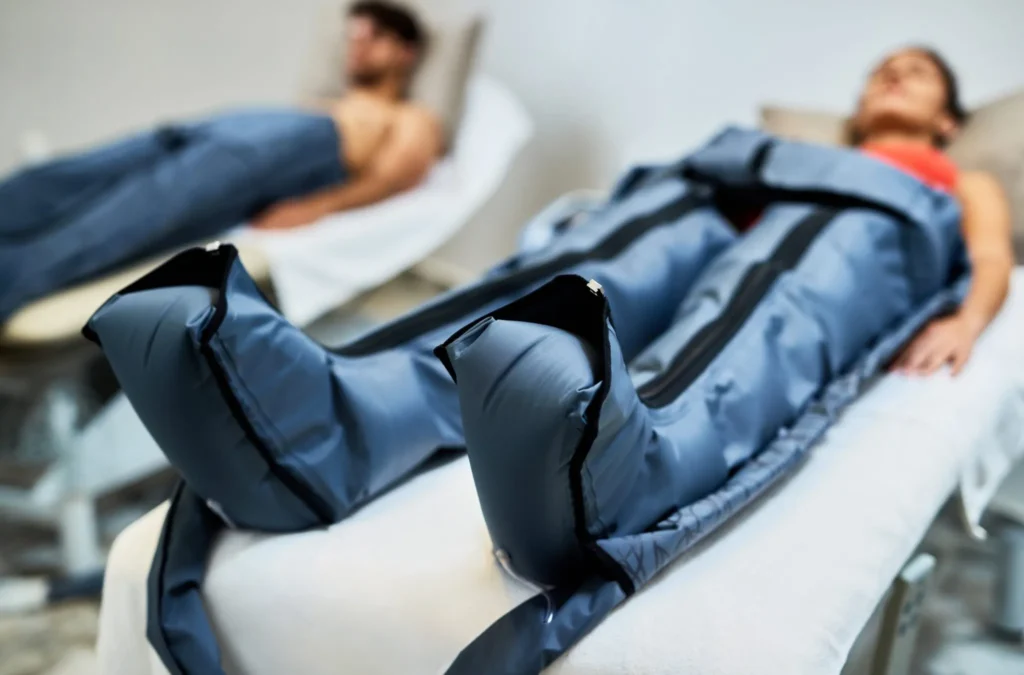
Cellulite is one of the physical aspects most feared by both men and women. These types of skin problems can cause insecurity about body image. For this reason, in this blog we will address effective strategies to combat cellulite optimally.
What is cellulite?
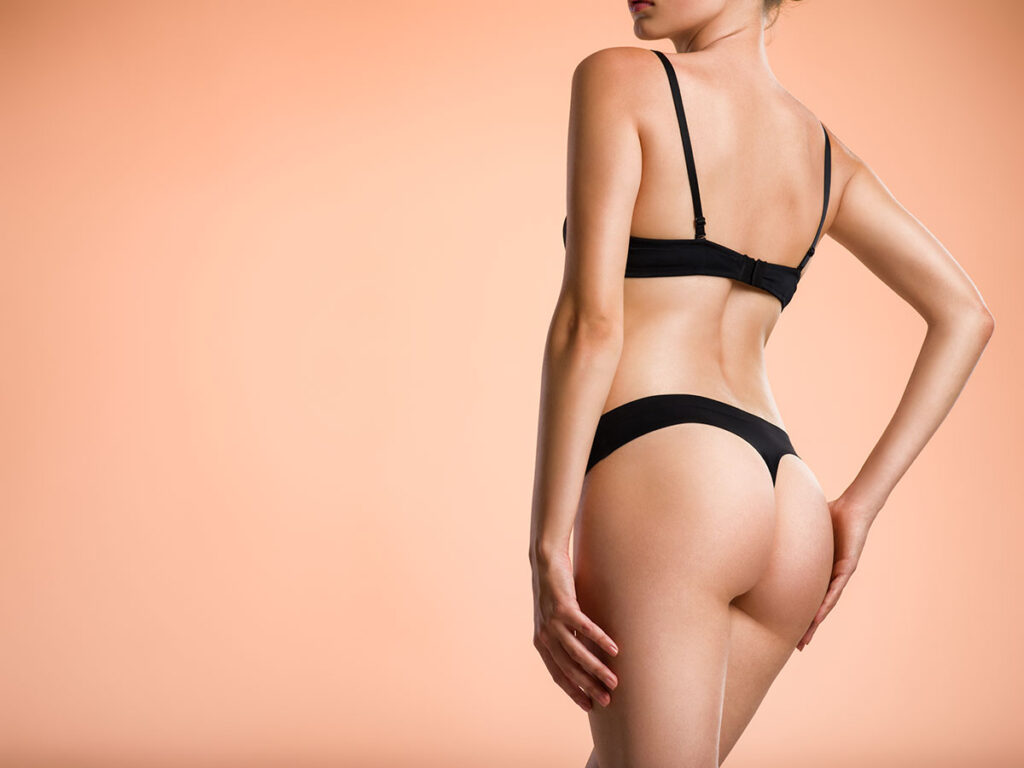
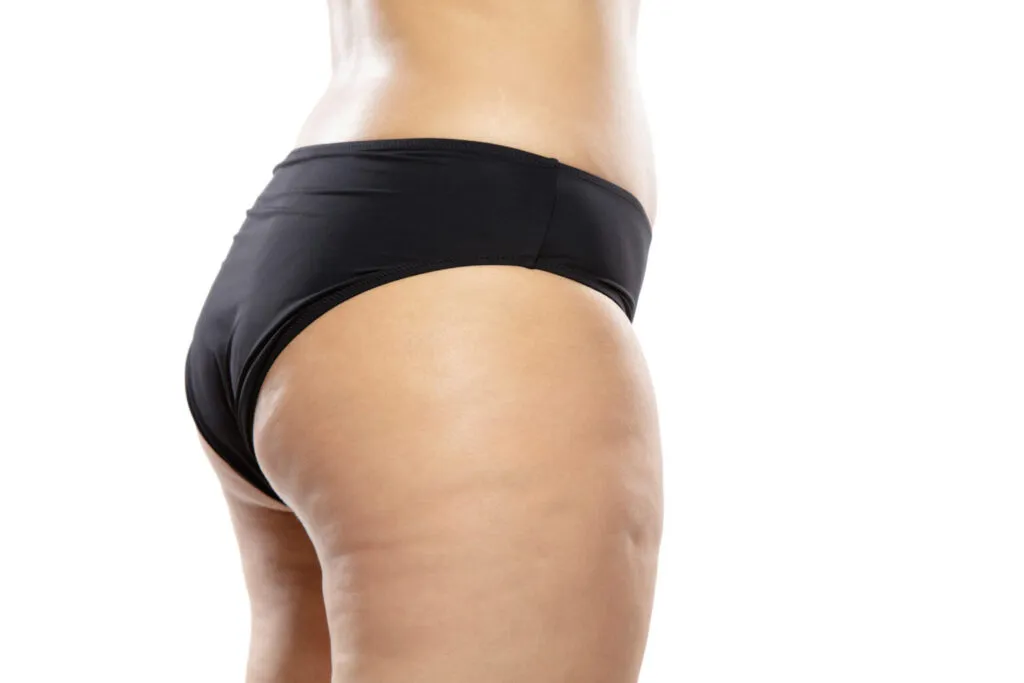
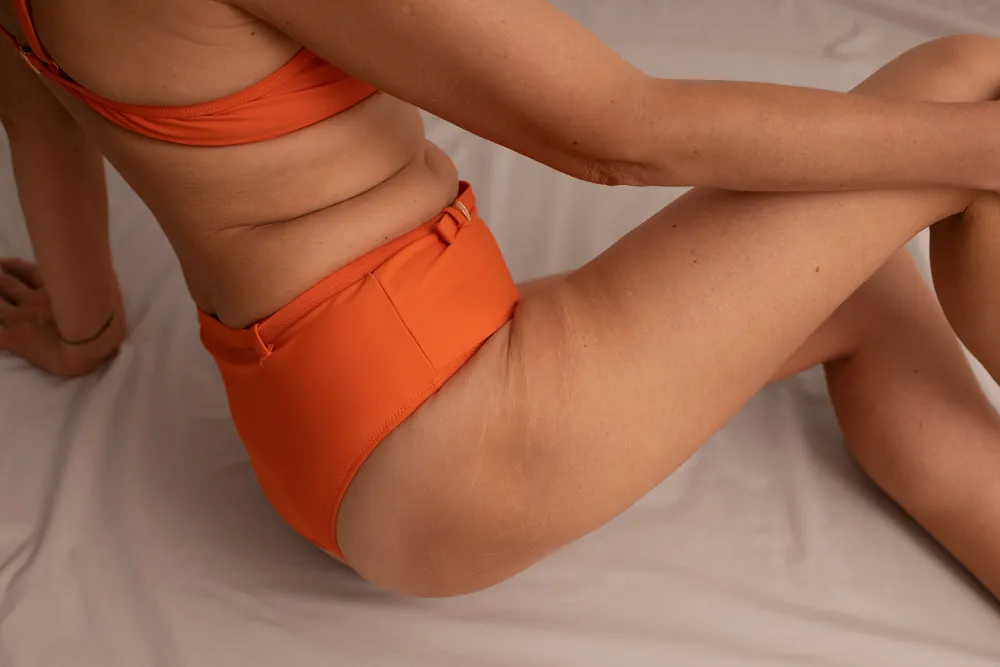
The cellulite is a medical condition that affects the appearance of the skin, especially in areas such as the thighs, hips, buttocks, and abdomen. It is characterized by the appearance of fat deposits beneath the surface of the skin, creating a dimpled or lumpy appearance and, although it is not directly related to health, it can be a cause of aesthetic concern for many people.
Some characteristics of cellulite include:
- Orange Peel: Skin affected by cellulite may have an orange peel-like appearance due to small dimples or bumps.
- Appearance in Specific Areas: Cellulite tends to appear more frequently in areas where fat accumulates, such as the thighs, hips, buttocks and abdomen.
- Painless: Although cellulite can affect the appearance of the skin, it generally does not cause pain.
The factors that contribute to the development of cellulite are diverse and may include:
- Genetics: Genetic predisposition plays an important role in susceptibility to cellulite. If your close family members have cellulite, you may also be more likely to develop it.
- Gender: Women are more likely to develop cellulite compared to men. This is due to differences in fat distribution, skin structure and hormones.
- Hormones: Hormonal changes, such as those associated with puberty, pregnancy and menopause, can influence the development of cellulite.
- Lifestyle: Factors such as lack of physical activity, an unhealthy diet, smoking and excessive alcohol consumption can contribute to the development of cellulite.
- Connective Tissue: The structure of the connective tissue in the skin also plays a role. If the connective tissue is not strong enough to hold fat in place, fat deposits can form and cause cellulite.
- Age: As we age, the skin tends to lose elasticity and may become more prone to cellulite formation.
It is important to note that cellulite is not necessarily related to body weight. Even thin people can experience cellulite. Cellulite treatment may include lifestyle changes, cosmetic procedures, and topical treatments, although none guarantee complete elimination.
Electrostimulation and its impact on cellulite
Electrostimulation is a technique that involves the use of low and medium frequency electrical currents to stimulate muscles. Electrostimulation is used in various applications such as muscle training, rehabilitation and, in the context of cellulite, as a potential method to improve the appearance of the skin.
How does electrostimulation work?
Electrostimulation for cellulite uses specialized garments with electrodes that send gentle electrical pulses to specific areas of the body. These pulses cause light muscle contractions that can improve blood circulation, support connective tissue, and reduce fluid retention, helping the skin look smoother and more even.
Studies suggest this method may reduce the visible appearance of cellulite, though results vary by person. For better outcomes, it is recommended to combine the treatment with a balanced diet, regular exercise, and other targeted therapies, and to consult a healthcare professional before starting.
Benefits of electrostimulation to combat cellulite
Electrostimulation has been proposed as an option to improve the appearance of cellulite, but electrostimulation not only improves, but also it has many more benefits such as:
Strengthening the muscles
Muscle conditioning through electrostimulation uses low-frequency impulses to trigger muscle contractions similar to exercise, helping strengthen areas prone to cellulite like thighs, hips, glutes, and abdomen. By improving muscle tone and support, it can enhance skin firmness and reduce the visible appearance of cellulite as part of a broader body care approach.
Improved blood circulation
One of the key benefits of electrical stimulation is its ability to boost blood circulation, especially in areas affected by cellulite. The gentle electrical impulses activate blood flow, helping the body transport oxygen and nutrients more efficiently while flushing out toxins that contribute to inflammation and uneven skin texture.
Better circulation not only helps detoxify and smooth the skin, but also enhances the regeneration of tissues, improving elasticity and firmness over time. As a result, the skin looks healthier, more toned, and revitalized — making electrical stimulation a powerful ally in any cellulite-reduction routine.
Reduction of Liquid Retention
The reduction of fluid retention is a relevant aspect when considering the application of electrostimulation as a strategy to combat cellulite. Fluid retention, also known as edema, can contribute to the appearance of cellulite by causing swelling and changes in skin texture. Electrostimulation has been proposed as a tool that could address this specific problem.
“Reducing swelling can help smooth the appearance of cellulite, decreasing the feeling of heaviness and improving the definition of body contours”.
When low-frequency electrical currents are applied through electrostimulation, the aim is to influence the physiological processes that regulate water balance in tissues. It has been suggested that this electrical stimulation may improve lymphatic circulation, which is responsible for removing fluids and waste from the body. By increasing the efficiency of the lymphatic system, electrostimulation can help reduce fluid accumulation in subcutaneous tissues.
Decreasing fluid retention can have several visible benefits on the skin. First, reducing swelling can help smooth the appearance, decreasing the feeling of heaviness and improving the definition of body contours. Additionally, by relieving pressure on blood and lymph vessels, better blood and fluid flow is facilitated, thus contributing to healthier skin.
Connective Tissue Stimulation
Connective tissue stimulation is a specific approach within electrostimulation that seeks to directly influence the structure and elasticity of the subcutaneous connective tissue. In the context of cellulite treatment, attention to this component is essential, as weakness in the connective tissue can be one of the underlying causes of dimpling of the skin.
Some electrostimulation devices, such as Onnafit, are designed to effectively target connective tissue. This type of stimulation aims to strengthen collagen and elastin fibers, which are essential components of connective tissue responsible for providing structure and elasticity to the skin.
“More elastic and resilient skin can help smooth the surface and reduce the visibility of cellulite”.
When electrostimulation is applied to the connective tissue, the aim is to activate collagen production, a key protein that plays a crucial role in skin firmness and resistance. In addition, by stimulating elastin, another structural protein, it seeks to improve the skin’s ability to recover its original shape, thus reducing the appearance of the dimples characteristic of cellulite.
This approach has the potential to lead to significant improvements in skin elasticity in cellulite-prone areas such as the thighs and buttocks. More elastic and resilient skin can help smooth the surface and reduce the visibility, providing notable aesthetic results.
Why choose Onnafit to get rid of cellulite
- It is hands-free: The Onnafit EMS system operates in hands-free mode, which means that the technician can administer the treatment to the client on a scheduled basis, without the need for constant professional supervision during the treatment.
- Portable: Due to its compact and cordless design, you can carry out the treatment in any location you want.
- Ease of transport and ergonomics: Being compact, it does not take up space, allowing the aesthetic professional to apply the treatment in any area of the aesthetic clinic.
- Complies with all safety certifications: Onnafit has safety approvals from entities such as the FDA, ANVISA, INVIMA, CE and the Spanish Medicines Agency, ensuring compliance with all product and safety regulations according to the latest MDR law.
Tips to get rid of cellulite
- Balanced Diet: Eat foods rich in fiber, fruits, vegetables and whole grains. Limit the intake of processed foods, sugars and saturated fats. Drink enough water to maintain good hydration and facilitate the elimination of toxins.
- Exercise Regularly: Perform cardiovascular exercises to improve blood circulation. Incorporate strength exercises to tone muscles in affected areas. Choose activities such as walking, running, swimming or interval training.
- Maintaining a Healthy Weight: It is essential to maintain a healthy body weight to reduce fat accumulation. We must avoid sudden changes in weight, as this can affect the appearance of cellulite.
- Avoid Tobacco and Excess Alcohol: Tobacco and alcohol can contribute to the deterioration of skin elasticity, worsening the appearance.
- Skin Care: Use specific creams or topical treatments to reduce cellulite. Massage affected areas to improve circulation and reduce fluid retention.
- Specific Therapies: Consider treatments such as electrostimulation, lymphatic massages or radiofrequency therapies after consulting with a health professional.
- Appropriate Clothing: Opt for tight-fitting underwear and clothing that does not restrict blood circulation. Avoid wearing high heels for prolonged periods, as this can affect circulation.
- Rest and Stress Management: Get enough sleep to allow cell regeneration. Practice stress management techniques, as chronic stress can affect skin health.
Conclusion on how to get rid of cellulite
In short, if the goal is to combat cellulite, it is best to combine a healthy life with the latest in body technology such as Onnafit. Onnafit electrostimulation will make your clients’ lives easier with unique benefits.
Frequently asked questions about how to get rid of cellulite
What is the best sport against cellulite?
The most effective way to reduce cellulite is to combine cardio with strength training. Cardio workouts like running, cycling, or swimming help burn fat and boost circulation, which minimizes the fat deposits that make cellulite more visible—especially on the legs and glutes. Running is particularly effective because it burns calories quickly and helps improve skin firmness, leading to a smoother appearance.
To enhance results, it’s important to add strength exercises.
Here’s a clear, easy-to-follow list:
Exercises that help reduce cellulite
- Squats: strengthen and firm the legs and glutes.
- Lunges: target deeper muscles and improve overall stability.
- Deadlifts or glute bridges: build the posterior chain and give better structural support to the skin.
- HIIT workouts: combine cardio and strength in short, intense intervals, boosting metabolism, burning fat fast, and improving overall body tone.
By combining cardio + strength, you tone the muscles, improve skin elasticity, and noticeably reduce the appearance of cellulite. If you want, I can also create a shorter or more blog-friendly version.
Does drinking water get rid of cellulite?
Water helps improve the appearance of cellulite by keeping the skin hydrated and firm, supporting toxin elimination, and reducing fluid retention. Proper hydration improves circulation and lymphatic drainage, which can make cellulite less noticeable. While it won’t eliminate cellulite completely, it is an important part of a healthy diet, exercise, and skincare routine.
What are the best exercises to reduce cellulite?
The best exercises for reducing cellulite include strength training (particularly for the legs and glutes), squats, lunges, step-ups, and aerobic exercises like running or cycling to burn fat and improve muscle tone.
Are there specific exercises to target cellulite?
While spot reduction is not possible, exercises that tone the muscles in areas prone to cellulite (e.g., thighs and buttocks) can help. Try:
- Squats
- Lunges
- Deadlifts
- Glute bridges
- Step-ups
Does massage help reduce cellulite?
Massage, particularly techniques like lymphatic drainage or vacuum-assisted therapy, can temporarily improve the appearance of cellulite by enhancing circulation and reducing fluid retention.
Is cellulite genetic?
Yes, genetics play a role in determining your skin structure, fat distribution, and susceptibility to cellulite.
What factors should be considered when purchasing cellulite treatment equipment?
- Technology & Safety: Choose equipment with proven technologies (radiofrequency, ultrasound, shockwave, laser) and safety certifications (FDA, CE).
- Ease of Use: Look for user-friendly devices with adjustable intensity and suitability for different skin types and body areas.
- Quality & Support: Consider durability, material quality, warranty, and access to technical support.
- Cost & Results: Evaluate price, return on investment, and whether professional or home-use equipment best fits your needs.
- Brand Reputation: Check brand credibility and user reviews before purchasing.
Does ems help with cellulite
EMS can help improve the appearance of cellulite by boosting circulation, toning muscles, and supporting lymphatic drainage, making the skin look smoother.
However, it doesn’t eliminate fat, so it works best when combined with a balanced diet, regular exercise, and other treatments.
Workout to burn fat
| Goal / Section | Details |
|---|---|
| Main Strategy | Combine HIIT + Strength Training to maximize calorie burn, boost metabolism, and burn fat even at rest. |
| HIIT Structure | 20–30 minutes total. Perform each exercise for 40 seconds, rest 20 seconds, 3–4 rounds at high intensity. |
| HIIT Exercises | – Jump squats- Burpees- Mountain climbers- Planks |
| Strength Training | 3 sets of 12–15 reps per exercise. Focus on toning and increasing calorie expenditure. |
| Strength Exercises | – Weighted squats- Deadlifts- Shoulder presses- Bent-over rows- Russian twists |
| Post-Workout Cardio | Add 15–20 minutes of: treadmill sprints, jump rope, or incline walking. |
| Weekly Frequency | Train 4–5 times per week. |
| Nutrition & Recovery | High-protein diet, good hydration, enough rest. |
| Key to Results | Consistency + maintaining high intensity in every session. |
Does swimming help cellulite?
Swimming is a highly effective, low-impact activity that can help reduce cellulite by engaging the whole body, enhancing circulation, and supporting lymphatic drainage. The water’s natural resistance tones muscles and aids fat burning without stressing the joints, while its gentle pressure stimulates blood flow and helps eliminate excess fluids. Practicing 30–45 minutes, two to three times per week, combined with a balanced diet, proper hydration, and strength training, can noticeably improve skin texture, body tone, and overall wellness.
Does drinking water get rid of cellulite?
Drinking water doesn’t directly eliminate cellulite, but it can help improve its appearance by keeping the skin firm, elastic, and smooth. Proper hydration supports lymphatic drainage and reduces fluid retention, which can make cellulite less noticeable. However, water alone is not a cure; it works best when combined with regular exercise, a balanced diet, and targeted treatments like massage or radiofrequency to promote smoother, healthier-looking skin.
Do squats help cellulite?
Squats can help reduce the appearance of cellulite, especially in the glutes, hips, and thighs. By strengthening and toning the lower-body muscles, they can make the skin look firmer and more even, which may make dimpling less noticeable.
They also improve circulation and lymphatic flow, helping the body remove excess fluids and waste beneath the skin. While squats alone won’t eliminate stubborn fat, combining them with a healthy diet, cardio exercise, and proper hydration can support a more effective approach to reducing the look of cellulite.
What are the most effective machines for cellulite reduction in a clinic setting?
In clinical settings, the most effective devices for reducing cellulite use advanced, non-invasive technologies with targeted effects. Common options include radiofrequency systems, which generate heat in deeper skin layers to boost collagen and firm the tissue; vacuum roller treatments like LPG Endermologie, which massage the area to enhance lymphatic flow and help reduce fat accumulation; and shockwave therapy, which applies acoustic waves to break down fibrous tissue and improve skin smoothness.
Dermarolling cellulite
Dermarolling (microneedling) uses a small roller with tiny needles to create micro-injuries in the skin. This stimulates collagen and elastin — the proteins that make skin firmer and smoother. When used on areas with cellulite, it can help improve texture and reduce visible dimpling.
Main Benefits
| Benefit | How It Helps |
|---|---|
| Improves circulation | Enhances oxygen flow to tissues |
| Supports lymphatic drainage | Reduces fluid retention |
| Better product absorption | Enhances creams with caffeine or retinol |
| Progressive improvement | Skin may look more toned with consistency |
Can endermologie make cellulite worse?
Endermologie is a non-invasive aesthetic treatment that helps reduce cellulite, improve circulation, and firm the skin through a deep massage using rollers and suction. It supports collagen production, lymphatic drainage, and the mobilization of localized fat. While it enhances body appearance, it does not replace a balanced diet or regular exercise.
In general, no—Endermologie does not worsen cellulite when performed correctly. However, there are a few things to consider:
- Initial reactions: Some people notice their cellulite looks slightly more visible after the first few sessions. This is usually temporary and linked to the mobilization of fluids and toxins.
- Overuse or poor technique: If the treatment is too aggressive or too frequent, it may cause temporary inflammation or skin sensitivity.
- Lifestyle matters: Endermologie isn’t a standalone solution. Without healthy eating, hydration, and movement, results can be limited or short-lived.
As always, it’s important to seek treatment from experienced professionals and to listen to your body throughout the process.
Does walking on the treadmill get rid of cellulite?
Walking on a treadmill can help reduce the appearance of cellulite as part of an overall fitness routine because it increases circulation, burns calories, and helps reduce body fat. However, walking alone is unlikely to completely eliminate cellulite. Combining treadmill workouts with strength training, a balanced diet, and other targeted exercises provides better results by building muscle tone and improving skin elasticity.
Does running make your butt bigger?
It depends on how you run.
Running can shape and tone your glutes, especially if you include uphill sprints or interval training, which activate the glute muscles more intensely. In these cases, you might notice your butt looking firmer or slightly more lifted.
However, long-distance running on flat terrain usually burns fat and may reduce overall muscle mass if not paired with strength training. So, if your goal is to grow your glutes, running alone might not be enough.
Which of the following is not effective at reducing cellulite?
When trying to reduce cellulite, it’s easy to get caught up in popular methods that promise quick results but lack real effectiveness. While strength training, proper hydration, and caffeine-based creams can help improve firmness and circulation, some techniques have little scientific support.
A clear example is dry brushing: it may make the skin feel smoother and increase blood flow temporarily, but it doesn’t address deeper causes like fat deposits or weakened connective tissue. For lasting results, it’s best to focus on what truly works — resistance training, a balanced diet, and consistent hydration.
Do EMS booty trainers work?
EMS glute trainers deliver gentle electrical pulses that trigger contractions in the buttock muscles, promoting better activation, firmness, and strength—particularly for those who have little time to train. Although EMS can help improve muscle tone and may slightly refine the skin’s appearance, it is not an independent cure for cellulite.
Optimal results are achieved when it is integrated with consistent resistance workouts, balanced nutrition, proper hydration, and healthy lifestyle practices. In short, EMS can support glute shaping as a complementary tool, but it should not substitute regular exercise or realistic goals.
Can toning get rid of cellulite?
Toning exercises alone won’t completely eliminate cellulite, because cellulite is caused by the structure of fat and connective tissue beneath the skin, not just a lack of muscle. However, muscle toning can help reduce its appearance by strengthening the muscles under the skin, improving circulation, and supporting fat loss as part of an overall fitness and lifestyle plan.
What toning can realistically do
- Build firmer muscles underneath areas prone to cellulite.
- Improve circulation and lymph flow, which can make skin look smoother.
- Help reduce overall body fat when combined with cardio and diet, making cellulite less noticeable.
Does a vibration plate help with cellulite?
A vibration plate may help improve the appearance of cellulite by increasing blood circulation and lymphatic drainage, which can reduce fluid retention and tissue congestion. The vibrations also trigger rapid muscle contractions that may help tone muscles and make the skin look smoother over time.
However, results vary and the evidence is not conclusive. Vibration plates work best when used regularly as part of a broader routine that includes exercise, healthy nutrition, and other strategies to manage cellulite.
What are the best exercises to reduce cellulite on thighs?
The most effective exercises to reduce cellulite on the thighs are those that combine strength training and fat-burning movements. While exercise can’t completely eliminate cellulite, it can significantly improve skin appearance by building muscle and reducing body fat.
Some of the best options include:
- Squats: Help tone the thighs and glutes, improving skin firmness
- Lunges: Target multiple leg muscles and enhance muscle definition
- Step-ups: Strengthen the lower body and boost circulation
- Glute bridges: Improve muscle tone in the back of the thighs
- Cardio exercises (like running or cycling): Help reduce overall body fat
Consistency is key—combining these exercises with a balanced diet and proper hydration can lead to noticeable improvements over time.
Does anti cellulite massage oil really work?
Anti-cellulite massage oils may help improve the appearance of cellulite when used regularly. They often contain ingredients like caffeine, essential oils, or plant extracts that can stimulate circulation, hydrate the skin, and temporarily enhance skin firmness.
Much of the benefit comes from the massage itself, which can promote blood flow and lymphatic drainage, helping reduce fluid retention and making the skin look smoother. However, these oils do not permanently remove cellulite and work best when combined with exercise, a balanced diet, and good hydration.
What are the most effective machines for cellulite reduction in a clinic setting?
In clinical settings, the most effective machines for cellulite reduction typically combine multiple technologies rather than relying on a single approach. The most commonly used and evidence-backed options include:
- Radiofrequency (RF) devices: These use heat to stimulate collagen production, improve skin tightness, and reduce subcutaneous fat thickness. Clinical studies show significant reductions in circumference and tissue depth.
- Acoustic wave therapy (shockwave therapy): Considered one of the most promising treatments, with consistent improvements in cellulite appearance across studies.
- Endermologie (vacuum + رولлер massage systems): These machines improve circulation, lymphatic drainage, and skin elasticity, helping smooth the skin’s surface.
- Combination devices (RF + infrared light + vacuum massage): These are widely used in clinics because they target multiple causes of cellulite at once, and studies show noticeable improvement in skin texture and firmness.
